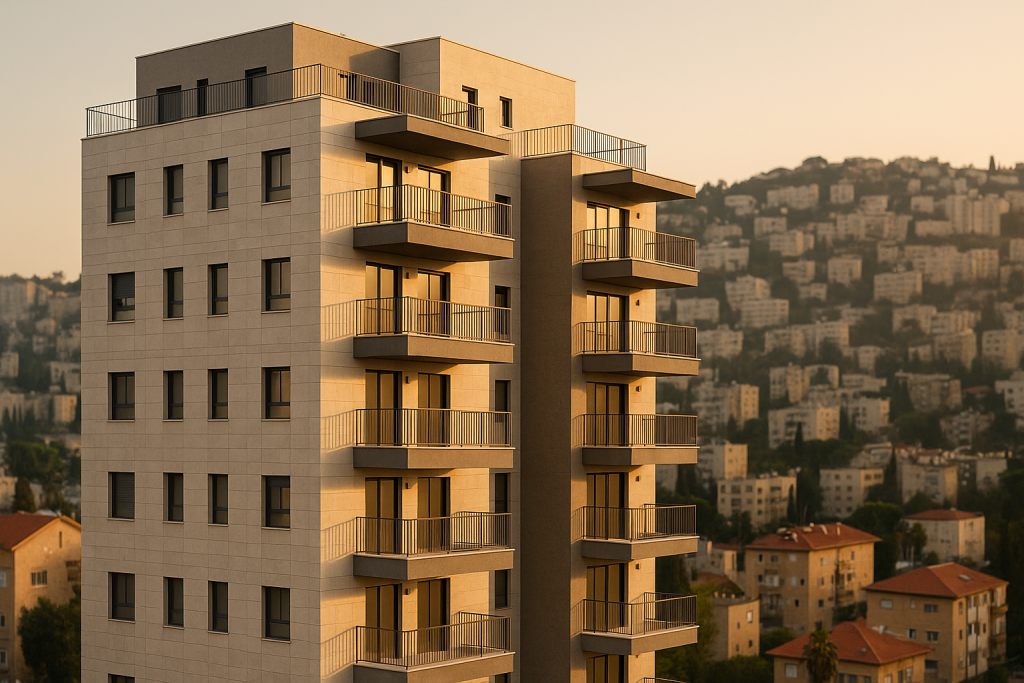
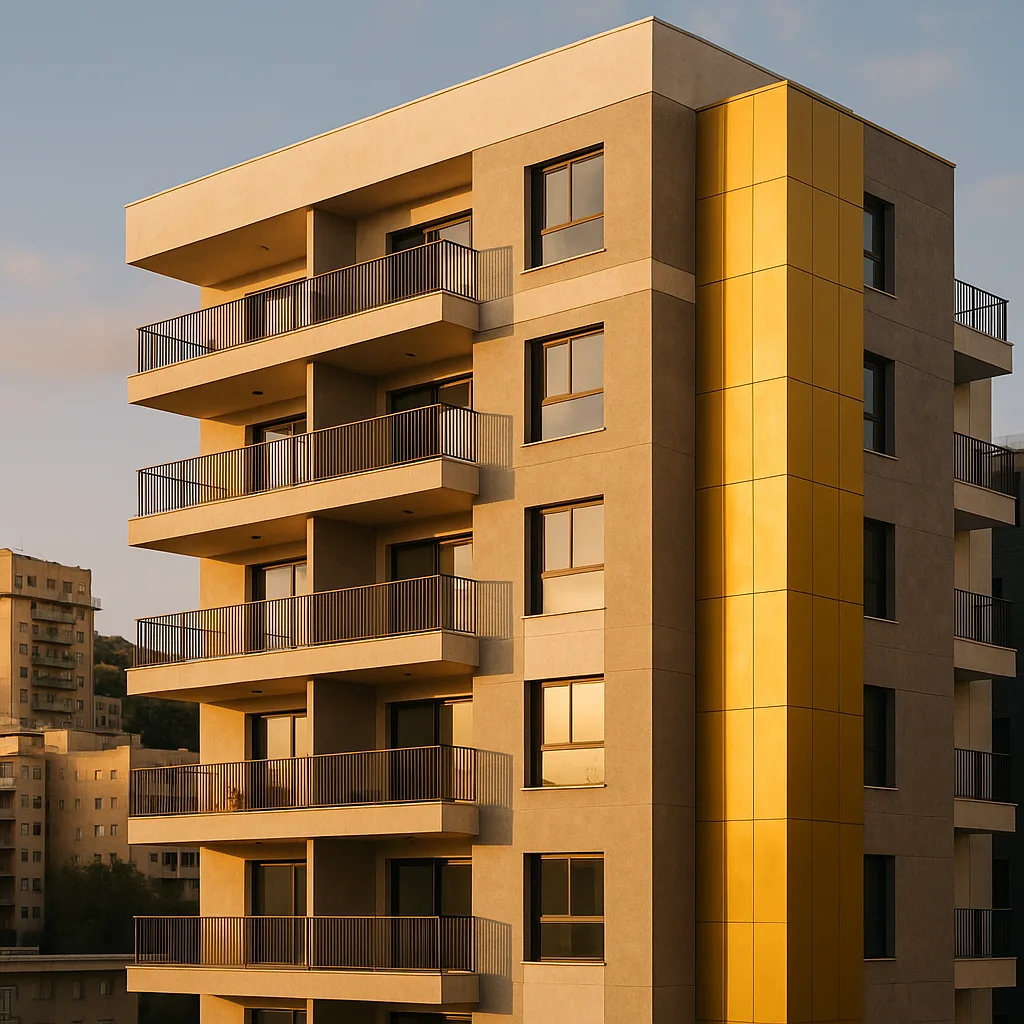
Tenant rights in Pinui-Binui in Haifa grant every tenant a new, larger apartment at no monetary cost, alongside alternative housing and full guarantees throughout construction. An average project lasts between five and seven years and requires the consent of a majority of the apartment owners in the complex. Here you will find exactly what you are entitled to, how to deal with a tenant who refuses, and what protections the law provides. For a broader look at the wider urban process, see Ahuza’s tenant rights in Pinui-Binui Haifa guide.
- What Pinui-Binui is and how it differs from the other tracks
- Tenant rights in Pinui-Binui: what you are entitled to
- The required majority and dealing with a refusing tenant
- Special rights for elderly tenants and those with disabilities
- Legal and financial guidance at the developer’s expense
- Comparison table: Pinui-Binui vs. the Shaked Alternative
- Project stages and timelines in Haifa
- Mistakes to avoid
What Pinui-Binui Is and How It Differs from the Other Tracks
Pinui-Binui is an area urban renewal track in which several veteran residential buildings are demolished and a new, denser complex is built in their place. A complex is usually defined around a minimum of 24 existing housing units, so this is broad planning that includes infrastructure, public spaces and sometimes commerce as well. This is the starting point from which all the tenants’ rights derive.
It is important to distinguish between the tracks, because each grants different rights. Until the end of 2023 the TAMA 38 program was used, but it has expired and new projects are hardly approved under it. Two main tracks exist today.
Pinui-Binui vs. the Shaked Alternative
For a single building, the relevant track is the Shaked Alternative, also known as building renewal. This track requires a detailed plan at the local committee, and it allows a predefined rights envelope of up to about 400 percent. Pinui-Binui, by contrast, suits a complex of several buildings together and allows comprehensive neighborhood planning. This difference directly affects the size of the compensation and the length of the process.
When a Complex Counts as Pinui-Binui
A complex falls under the Pinui-Binui definition when it includes several adjacent buildings and at least about 24 existing housing units. In Haifa, veteran neighborhoods with low walk-up buildings from the 1950s and 1960s are natural candidates for this track. You can compare the tracks in detail in the differences between TAMA 38 and Pinui-Binui guide.
Tenant Rights in Pinui-Binui: What You Are Entitled To
The central right of a tenant in Pinui-Binui is to receive a new, larger apartment in exchange for the old one, at no cost to them. The developer bears all the costs of demolition, construction, taxes and guidance. A whole array of protections is built around this basic right.
A New Apartment and Added Area
In practice it is common for the new apartment to be about 25 percent larger than the old one, or an addition of 12 to 25 square meters, depending on the project’s economic viability. Alongside the area, components that raise the property’s value are added: a safe room, a sun balcony, a storeroom and parking. These are features that hardly existed in Haifa’s old buildings.
Alternative Housing During Construction
Throughout the construction period the developer is obligated to finance alternative housing for you. In practice this is a monthly rent payment that lets you rent a similar apartment in the same area, so no tenant is left without a roof. The rent payment is secured by a separate guarantee, and does not depend on the pace of construction.
Guarantees and Securities
The law and practice require the developer to provide a basket of guarantees that protects the tenant in every aspect of the project. The main guarantees include a Sale Law guarantee to secure the construction, a rent guarantee for the interim period, a tax guarantee, a defects guarantee for repairing faults, and a registration guarantee. A breakdown of the rights also appears on the Kol Zchut urban renewal page.
Taxation and Levies: What the Tenant Does Not Pay
One of the lesser-known rights concerns taxation. A tenant who receives a new apartment in exchange for their old one is usually entitled to an exemption from betterment tax (capital gains) and VAT, as long as the compensation stays within the ceiling set by law. The betterment levy for the project is also not imposed on the tenants but is handled with the local authority as part of the plan. The practical meaning is that moving to a larger, more modern apartment does not entail an unexpected tax liability, provided the agreement is structured correctly in advance. It is worth checking the tax issue with a tax advisor or the tenants’ lawyer before signing, because exceeding the ceiling could create a partial liability.
The Required Majority and Dealing with a Refusing Tenant
A Pinui-Binui project does not require the consent of 100 percent of the tenants. The law allows the move to advance when a two-thirds majority, that is 66 percent of the apartment owners in the complex, want it. This majority is meant to balance the individual’s property right against the public interest in renewing neighborhoods.
A tenant who refuses to join without a reasonable justification is defined in law as a refusing tenant. In such a case the other apartment owners may file a lawsuit in court, and the refuser may be liable for the damage caused to their neighbors. That said, refusal on justified grounds, such as low compensation or a lack of guarantees, is considered legitimate and does not turn the tenant into a refuser. A full breakdown of the process is available in the stages of a Pinui-Binui project in Haifa guide.
Special Rights for Elderly Tenants and Those with Disabilities
The law recognizes that a long project does not suit everyone equally, and therefore grants additional protections to certain groups. A veteran tenant over the age of 70 may choose alternatives tailored to their needs instead of waiting years for the new apartment.
The alternatives include a smaller alternative apartment plus a balancing payment, a move to assisted living financed by the project, or a one-time cash compensation. Tenants with disabilities are also entitled to accommodations, such as an apartment on a low floor or full accessibility in the new building. These rights are preserved even if the majority has already decided to proceed.
Legal and Financial Guidance at the Developer’s Expense
One of the most important protections is that the tenants are not required to fund their own professional advice. The lawyer who represents the apartment owners is chosen by them, but the fee is paid in full by the developer. This preserves objectivity without the tenant spending a shekel.
Alongside the lawyer, a real estate appraiser on the tenants’ behalf and a construction supervisor usually work as well, and their cost also falls on the developer. In projects guided by the Government Authority for Urban Renewal, a social escort also joins, whose role is to help tenants understand their rights and bridge disputes. The Ahuza team recommends making sure that all these role-holders are anchored in the agreement before signing.
Comparison Table: Pinui-Binui vs. the Shaked Alternative
The following table sums up the main differences between the two leading tracks today, to help you understand which track your building suits.
| Criterion | Pinui-Binui (Area) | Shaked Alternative (Building) |
|---|---|---|
| Scope | Several buildings, at least about 24 units | A single building or two |
| Planning mechanism | A comprehensive area plan | A detailed plan at the local committee |
| Building rights | Derived from the neighborhood plan | A defined envelope up to about 400 percent |
| Estimated duration | Five to seven years | Three to five years |
| Suited for | Whole veteran neighborhoods | A single aging building |
Project Stages and Timelines in Haifa
A Pinui-Binui project advances in clear stages, and its overall length in Haifa ranges from five to seven years. Understanding the sequence of stages helps tenants know when each right takes effect.
In the first stage a tenants’ committee is chosen and an agreement is signed with the developer. Then the planning and approval process at the committees begins, which is usually the longest stage. Only after the permit is received do the tenants vacate the apartments, move to the alternative housing, and demolition and construction get underway. At the end, each tenant receives the key to the new apartment along with a defects guarantee for repairing faults.
Haifa Neighborhoods in Renewal
Neighborhoods such as Hadar, Neve Sha’anan, Kiryat Eliezer and Ramat Vizhnitz are at the core of the city’s renewal wave, thanks to a stock of veteran buildings and a central location. Anyone weighing an investment or a home in these areas can use the urban renewal in Haifa guide to choose the right neighborhood. General background on the mechanism can also be read in the Pinui-Binui entry on Wikipedia.
Mistakes to Avoid
The most common mistake is signing an agreement without an independent legal review. Even when the developer is reliable, the agreement must explicitly anchor the size of the compensation, the basket of guarantees and the timeline.
- Relying on verbal promises instead of written clauses in the agreement.
- Waiving an appraiser on the tenants’ behalf, which makes it hard to assess whether the compensation is fair.
- Ignoring the rights of elderly or disabled tenants in the family.
- Signing before the rent guarantee for the construction period has been arranged.
An orderly check of all these in advance saves years of disputes and ensures the rights are actually realized in full.
Want to realize your rights in Pinui-Binui in Haifa?
The Ahuza team guides tenants all the way, from the eligibility check to receiving the key to the new apartment.
Frequently Asked Questions
How much does a Pinui-Binui project cost the tenants?
There is no cost to the tenants. The developer bears the costs of demolition, construction, taxes, alternative housing and legal guidance. The tenant receives a new apartment in exchange for the old one at no cost.
What majority is required to advance Pinui-Binui?
A two-thirds majority is required, that is 66 percent of the apartment owners in the complex. Anyone who refuses without a reasonable justification may be considered a refusing tenant and liable to compensate their neighbors.
How long does a Pinui-Binui project in Haifa take?
A typical project lasts between five and seven years, with the planning and approval stage at the committees usually the longest.
What happens with elderly or disabled tenants?
Tenants over the age of 70 and those with disabilities are entitled to special accommodations, such as an apartment on a low floor, a move to assisted living financed by the project, or alternative cash compensation.
Who pays for the tenants’ lawyer?
The tenants choose their own lawyer, but the fee is paid in full by the developer, to preserve independent representation at no cost to the tenant.
What is the difference between Pinui-Binui and the Shaked Alternative?
Pinui-Binui is intended for a complex of several buildings and at least about 24 units, while the Shaked Alternative suits a single building with a defined rights envelope of up to about 400 percent.
What to Remember
The best protection for tenant rights in Pinui-Binui is knowledge. When you know what you are entitled to, what majority is required and which guarantees the developer must provide, you come to the negotiating table from a position of strength. The Ahuza team will guide you from the eligibility check to the key to the new apartment.